Hitting mat · priced July 12, 2026
SIGPRO Softy Hitting Mat Cost: $999.99-$1,199.99
The 4x7 SIGPRO Softy is $999.99; the 4x10 runs $1,199.99. A realistic turf feel that doesn't beat up your joints on daily sessions.
- 4'x7' size: $999.99; 4'x10' size: $1,199.99
- 19,000+ units sold (brand-wide SIGPRO mat line)
- Foam core + 1-inch Teeline turf + ABS polyurethane impact layer
- Hitting strip is swappable (28in x 12in x 2.5in) without replacing the full mat
Via Indoor Golf Shop. As an Amazon Associate and affiliate partner, CaddieBay earns from qualifying purchases.
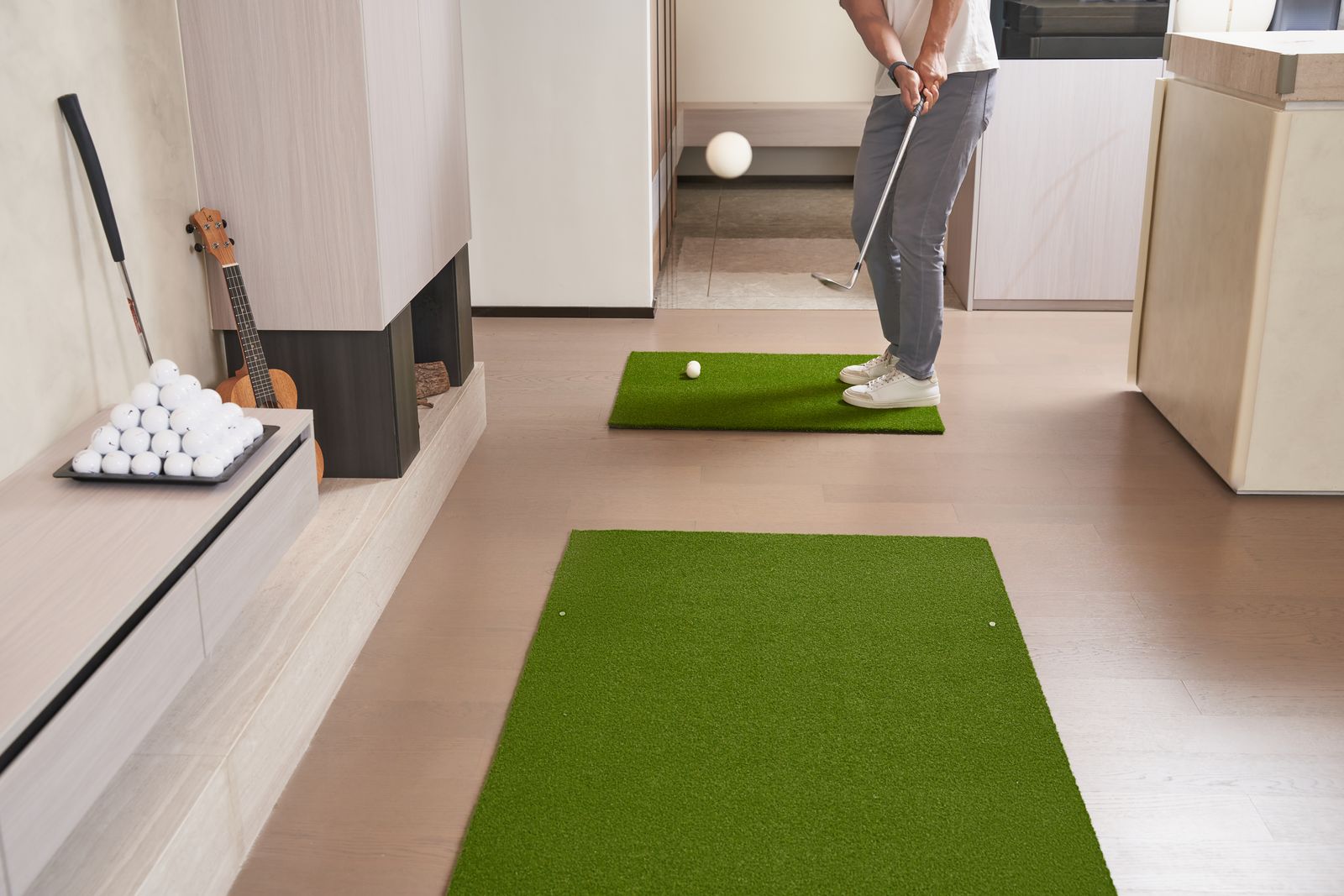
Hitting mats split into a wide price band depending on how much cushioning and turf realism you want. The SIGPRO Softy sits in the middle: $999.99 for the 4’x7’ size, $1,199.99 for the larger 4’x10’. It’s built to reduce joint strain on repeated full-swing sessions compared to harder entry-level mats, which matters if you’re hitting balls several times a week rather than occasionally.
What’s actually inside the mat
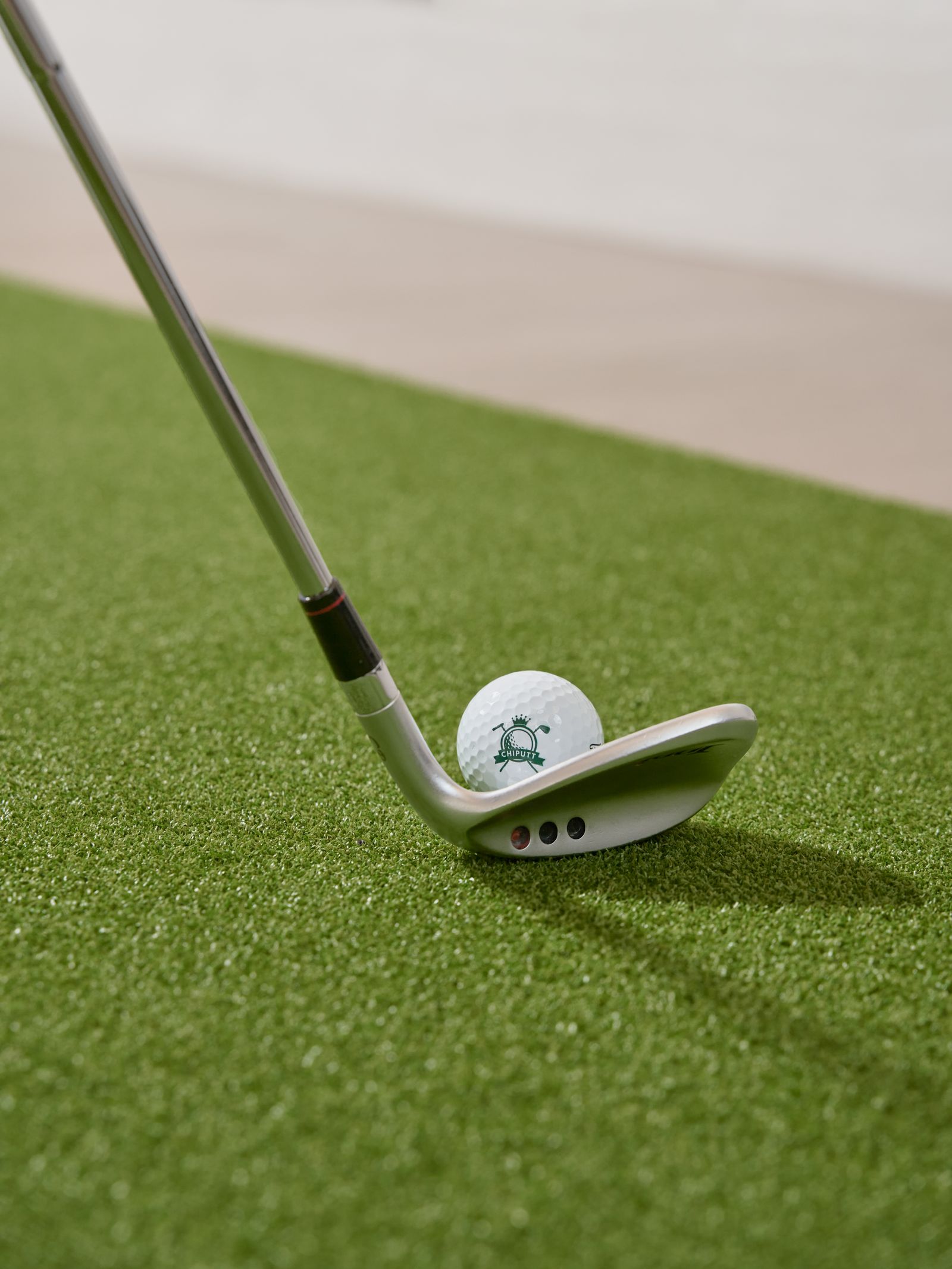
The Softy’s cushioning isn’t a single foam slab. It’s a three-layer build: a soft foam insert at the core, a 1-inch layer of Teeline turf on top for the visual and tactile grass feel, and a thin sheet of responsive ABS polyurethane between the two that flexes at impact and snaps the turf back to shape. Three compression slots cut into the underside act as release valves, letting air pressure escape as the turf compresses so a full-swing divot doesn’t transmit a sharp vibration back through the clubhead, which is the specific complaint golfers have about harder, single-layer mats.
Why “softer” doesn’t mean “less accurate”
A common worry with cushioned mats is that a softer landing zone masks a fat or thin strike, the kind of feedback a harder mat gives instantly through your hands. SIGPRO’s answer is that same real-turf visual and tactile layer riding on top of the cushioning, so the ball-turf interaction still looks and feels close to grass even though the base underneath is forgiving. The cushioning protects joints; it isn’t meant to hide a bad strike from you.
One more practical detail worth knowing before you buy: the hitting zone itself, a 28in x 12in x 2.5in strip, is swappable on its own. Daily full-swing impact wears out the strike zone years before the surrounding turf, and SIGPRO sells the strip as a standalone replacement part rather than forcing a full mat purchase once that zone flattens out. Budget for a strip swap somewhere in year two or three of daily use rather than treating the mat as disposable once the hitting zone wears.
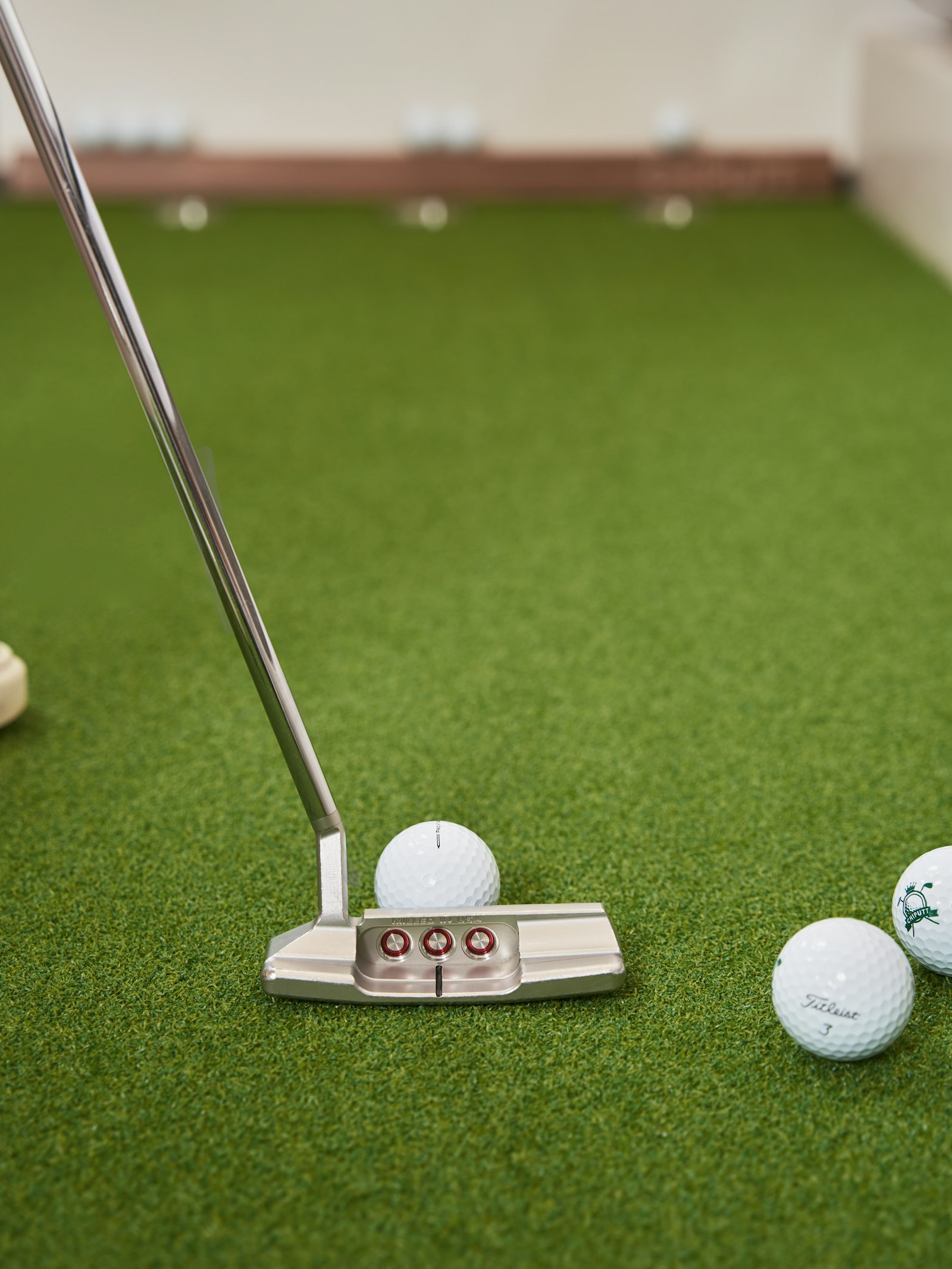
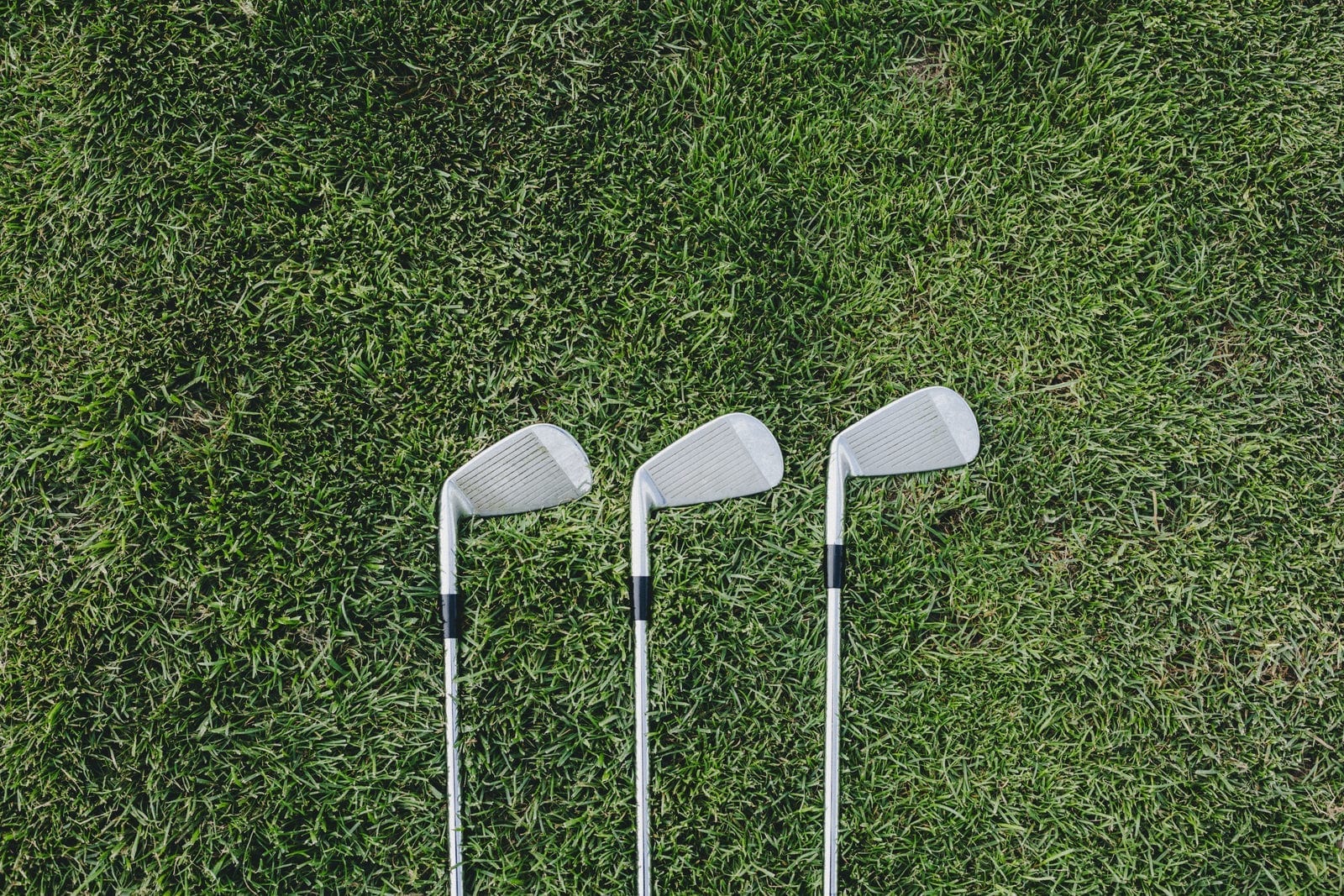
Sizing is the real decision. The 4x7 (21 lbs) handles iron and wedge play comfortably; driver swings with a wider stance and full follow-through want the 4x10’s extra room (31 lbs, and $200 more), and it’s the safer buy if your bay has the floor space for it. Measure your actual swing footprint, including follow-through room, before you commit to the smaller size. The bigger mat also leaves space to lay down a set of golf alignment sticks, worth the $10-15 they cost if you’re using the mat to groove a repeatable swing rather than just hit balls.
Softy versus Fiberbuilt’s premium tier
The natural next question at this price is whether to skip the Softy and go straight to Fiberbuilt’s Player Preferred line, which starts at $1,000 without accessories. The difference isn’t cushioning, both are built to protect joints on full swings, it’s what’s underneath the turf. Fiberbuilt’s denser fiber and stiffer backing resist compacting under the same repeated divot for years longer than a mid-tier mat’s pile, which flattens and starts giving an unrealistically soft lie feel well before the fibers show visible wear. The Softy’s compression-slot design and swappable strip solve a related but different problem, protecting your joints and letting you replace the one worn zone instead of the whole mat, rather than delaying when that zone wears out in the first place.
Practically: an occasional garage golfer gets nearly the same experience from the Softy at a lower entry price, and can replace just the worn hitting strip as it goes rather than committing to a $1,000-plus fixed installation. Someone hitting balls daily for years, especially in a permanent indoor bay that isn’t rolled up and stored between sessions, is the buyer Fiberbuilt’s premium backing is actually built for.
Track record
SIGPRO’s mat line has sold more than 19,000 units brand-wide, and the 4x7 alone carries a 4.9-star rating across 130-plus verified reviews on the manufacturer’s own site, a volume that suggests the Softy’s price-to-durability tradeoff has held up across a large base of daily users, not just a handful of favorable reviews.